

Curiosity as Resistance | Monday Invocation
“When you practice curiosity, especially as an act of resistance, you create space for the people around you to do the same. That's how this becomes communal change.”
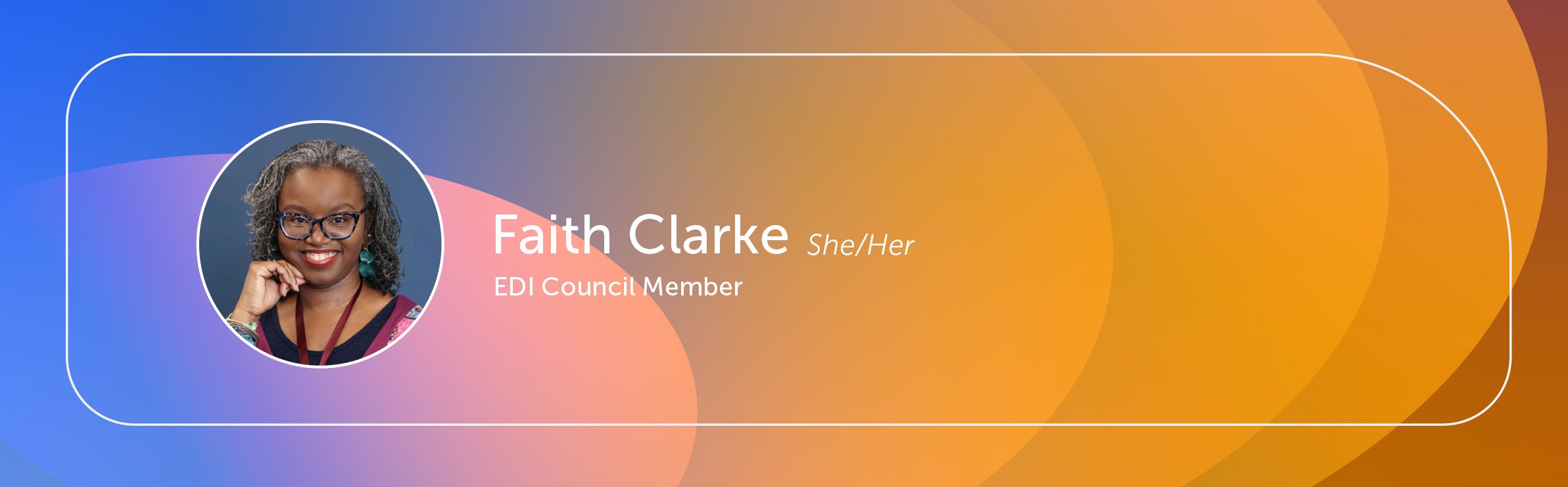
Faith Clarke
Resistance is not only something that we do on a public scale. It’s also the values that shape how we show up every day and what we refuse to accept as “normal,” how we care for one another, and how we stay grounded when the world feels heavy. So what counts as resistance in everyday life? And how can it be rooted in our faith?
This month, we are exploring various practices of resistance that can help shape the kind of change that we want to see in the world. Today, QCF EDI Council Member, Faith Clarke, leads into the next section of this series with Curiosity as Resistance. Asking the questions: What if we had a contagion of curiosity? What would we see?
"The times are urgent; let us slow down." — Traditional African wisdom saying
This is what happened when I wrote my first ever piece of code. After hours of carefully writing my code by hand, I typed it into the computer and ran the compiler. I expected triumph. Instead, I had at least one hundred errors. The shock of it. The instinct to conclude: I don't know what I'm doing.
But I paused. And in the pause, I found it, one missing semicolon. When I fixed that, 95% of the other errors disappeared. The problem was specific. The drama was everywhere.
Curiosity does that. It creates the opportunity to see something new, clearing enough space to ask: what else is happening here?
Right now, power is being wielded in ways that harm people we love. Sometimes, we deal with it all by reacting, concluding, staying on whatever thought arrived first. But our speed can make us complicit in the very thinking that has been used to harm us. The biases of empire don't only live in people who hold power. They live in us too.
Resistance is an inside out job. We cannot build something genuinely new without interrupting and interrogating our assumptions. And that takes courage and curiosity.
In Luke 7, a woman enters Simon's home, weeping, washing Jesus's feet with her tears and drying them with her hair. Simon watches and has already concluded who she is. And Jesus, knowing exactly what Simon is thinking, doesn't correct him with facts. He tells a story. Then asks: Do you see this woman? Not who you've decided she is. This woman, right here.
And I think the question is for us. What else is happening right here? Can we get curious and look again?
Bayo Akomolafe offers some wisdom on how to do this, by "seeking out new questions... taking care of ghosts, hugging monsters, sharing silence, embracing the weird... not about getting answers, it is about questioning our questions. It is about staying in the places that are haunted."
Curiosity is what makes that possible. That's the practice.
And here's what I find hopeful: Humans are contagious. When one person slows down and asks a better question, others feel the shift. When you practice curiosity, especially as an act of resistance, you create space for the people around you to do the same. That's how this becomes communal change. The human contagion is fiercely active everyday. What if we had a contagion of curiosity? What would we see?
Your one action this week: The next time you feel a strong, fast reaction, pause for sixty seconds and ask: What else could be going on here? Write down whatever comes. Let your curiosity have some space.
Want to talk about this and other LGBTQ+ Christian topics? On the QCF Community Platform, you can join forums, connect in chat rooms, and find events with LGBTQ+ Christians and allies who are walking a similar path. Come find your people — we'd love to have you.